"Rising Tensions: How International Relations Are Shaping Domestic Politics"
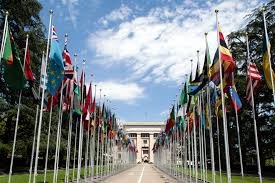
The dynamics of international relations are increasingly influencing domestic politics, with rising tensions in global affairs impacting the political landscape within countries. As international conflicts, trade wars, and geopolitical shifts unfold, leaders and citizens are forced to reckon with the implications for national security, economic stability, and foreign policy. These external pressures are shaping internal political discourse, fueling partisan divides, and influencing electoral outcomes in ways that were not as pronounced in previous decades.
One of the most significant ways international relations are influencing domestic politics is through economic policy, particularly in regard to trade. Ongoing trade tensions, such as those between major global powers like the United States and China, have led to tariffs, sanctions, and disruptions in global supply chains. These developments are directly affecting domestic industries, workers, and consumers. In countries like the U.S., political leaders are facing increasing pressure to address the fallout from such trade wars. The economic impact of these tensions often becomes a key issue in elections, as voters react to rising prices, job losses in certain sectors, and shifts in the global job market. Politicians who advocate for protectionist policies may gain support among citizens who feel threatened by foreign competition, while others may push for free trade agreements that promise to open new markets and reduce tariffs.
National security is another arena where international relations have a profound impact on domestic politics. Escalating tensions between major powers or regional conflicts, such as those involving Russia, North Korea, or the Middle East, often provoke debates over military spending, defense strategies, and foreign interventions. Politicians who take a hardline stance on national security issues may resonate with voters who prioritize defense and sovereignty, while others may advocate for diplomacy and conflict de-escalation, appealing to those concerned about the human and financial costs of military action. The handling of international crises often determines public trust in government and can influence party dynamics and leadership roles.
Foreign policy issues also affect domestic political movements and ideologies. For example, issues like immigration and refugees are deeply connected to international relations. Wars, climate change, and economic instability abroad often lead to increased migration, which, in turn, stirs domestic debates on border control, national identity, and multiculturalism. Political leaders who address these issues with strong rhetoric or reform policies may experience shifts in their popularity, particularly among constituencies concerned about national identity and cultural integration.
Lastly, international alliances and diplomatic relationships are playing an increasingly prominent role in domestic political agendas. For instance, disputes over NATO membership, trade agreements like the Trans-Pacific Partnership (TPP), or climate accords such as the Paris Agreement can have domestic political ramifications. Political parties often split over how to approach these issues, with some advocating for closer ties to international organizations and others pushing for greater independence or sovereignty from international influence.
In conclusion, the influence of international relations on domestic politics is undeniable, as global tensions and decisions made on the world stage reverberate across national borders. Politicians and voters alike are increasingly aware of the interconnectedness of international and domestic affairs, and the outcomes of these issues are likely to shape political discourse, elections, and governance for years to come. The rising tensions in international relations are not only shaping policies abroad but also creating an evolving landscape for domestic political struggles and priorities.